
Stop renting your video pipeline
Per-minute AI clip tools make sense until you publish weekly. Then the math flips, and owning the pipeline wins on cost, quality, and control. Here's the math from my own show.
Phil Taul
Twenty years of networking, infrastructure, and business across a dozen industries. I build AI systems for real businesses, then I operate them. Everything published here runs in production first: the case studies below are live systems, not demos.
Build logs and playbooks from systems that actually run. No spam.
Three systems I built and operate today. Clients and identifying details are anonymized; the numbers are real.
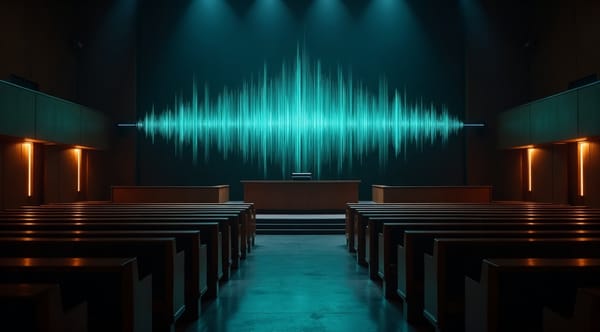
AI-assisted coverage of public meetings, built for a world that rightly distrusts AI-written news: local transcription, draft articles where each claim maps to a moment in the recording, and two human gates before anything publishes.
Read the case study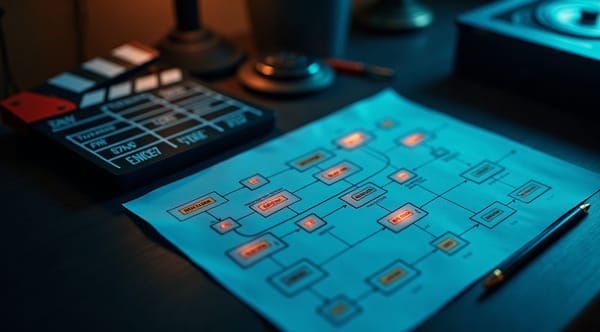
A weekly live production has a dozen stages, hard deadlines, and one operator. The fix was not more effort. It was a production ledger that always knows exactly where every episode stands, so a crash costs nothing but the restart.
Read the case study
A phone problem can live in any of six layers owned by five different vendors. This is how the ops stack from the earlier case study actually works: a diagnostic ladder that walks the whole call path from one conversation.
Read the case studyEvery project starts with a paid Workflow Roadmap Session, then takes one of three paths.
One 90-minute working session mapping your actual workflow, then a written roadmap: where automation pays off, what it takes to build, and what to skip.
I build the system and hand it over with documentation written so your team can run and maintain it without me.
I build it and keep operating it: monitoring, backups, and iteration as your workflow evolves. The same posture I use on my own systems.
Per-minute AI clip tools make sense until you publish weekly. Then the math flips, and owning the pipeline wins on cost, quality, and control. Here's the math from my own show.
Phone systems taught me a standard: when it breaks, someone can't call 911. AI automation deserves the same discipline, and almost nobody builds it that way.
Every automation I run can draft an email, a reply, a report. None of them can hit send. That one design rule is why I can run AI against real business email without losing sleep.
Build logs, playbooks, and case studies from AI systems that actually run in production. Written by the one person who builds and operates all of them.